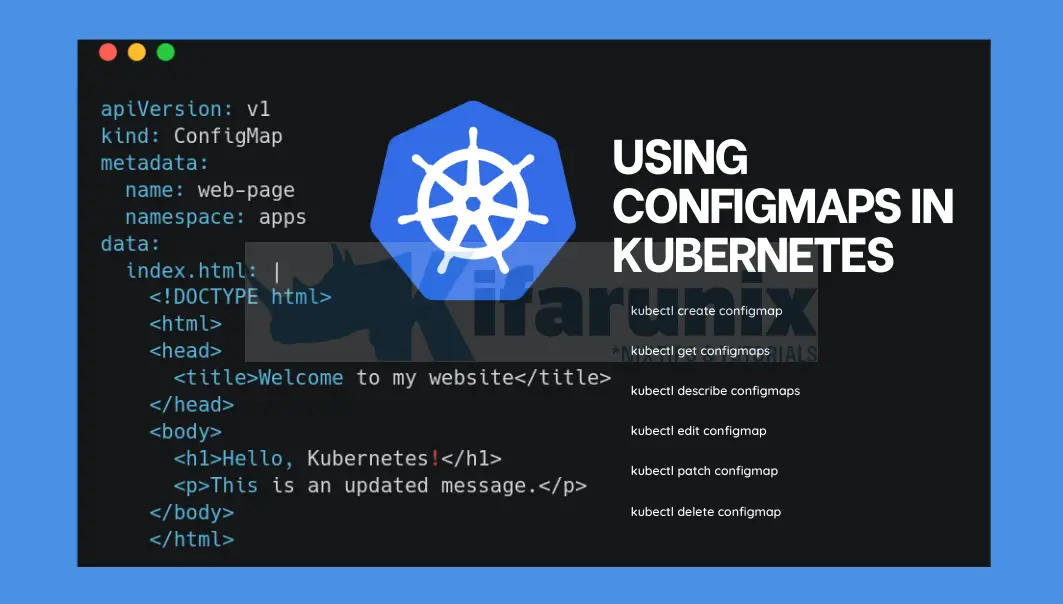
Step-by-Step Guide to Using ConfigMaps in Kubernetes
This tutorial provides a step-by-step guide to using ConfigMaps in Kubernetes. ConfigMaps in Kubernetes are a powerful tool for managing configuration data separately from application

This tutorial provides a step-by-step guide to using ConfigMaps in Kubernetes. ConfigMaps in Kubernetes are a powerful tool for managing configuration data separately from application
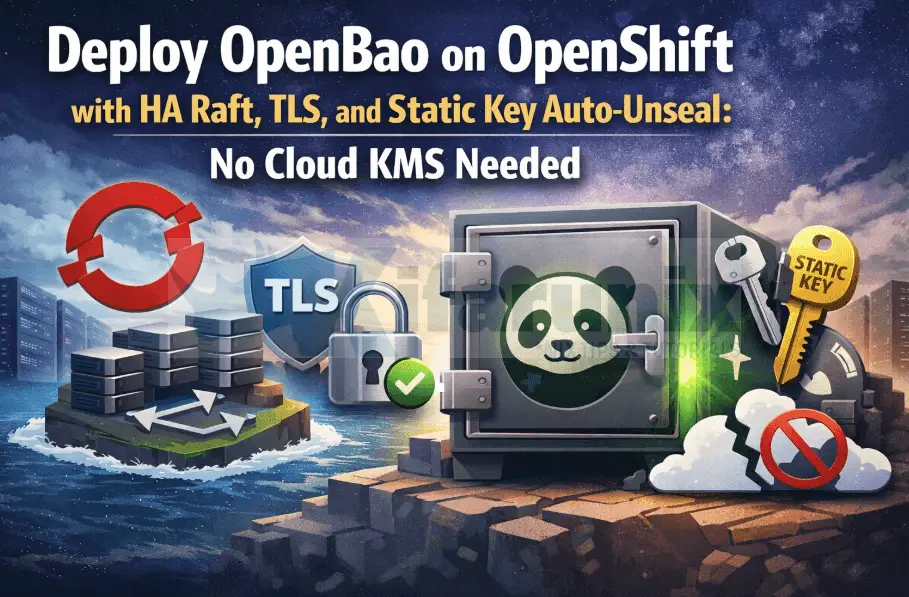
Running a secrets manager that requires manual intervention every time a pod restarts is not a secrets manager, it is a liability. Every node drain,
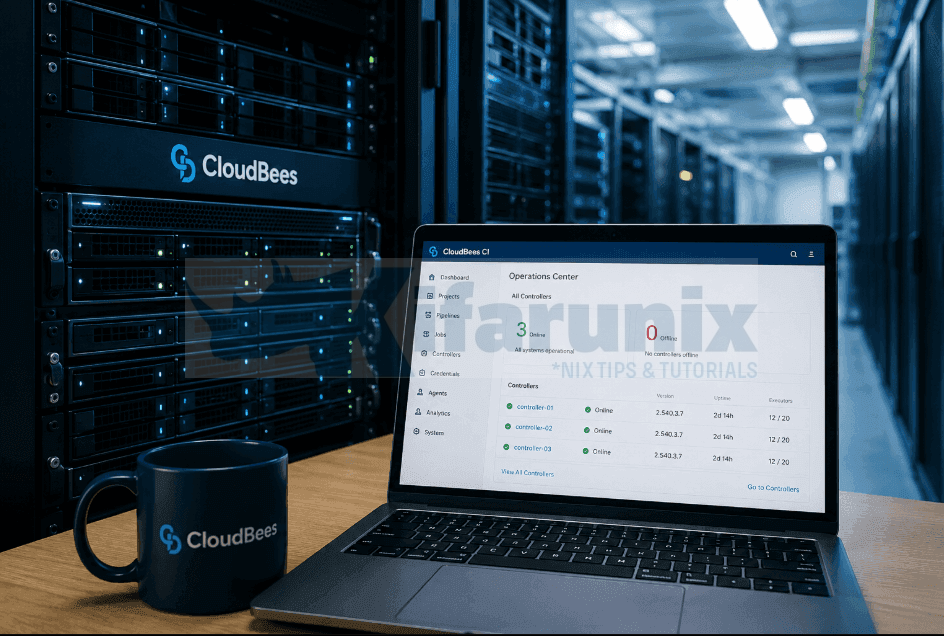
If you are about to create your first CloudBees CI managed controller on OpenShift and plan to “turn on HA later,” check your storage configuration
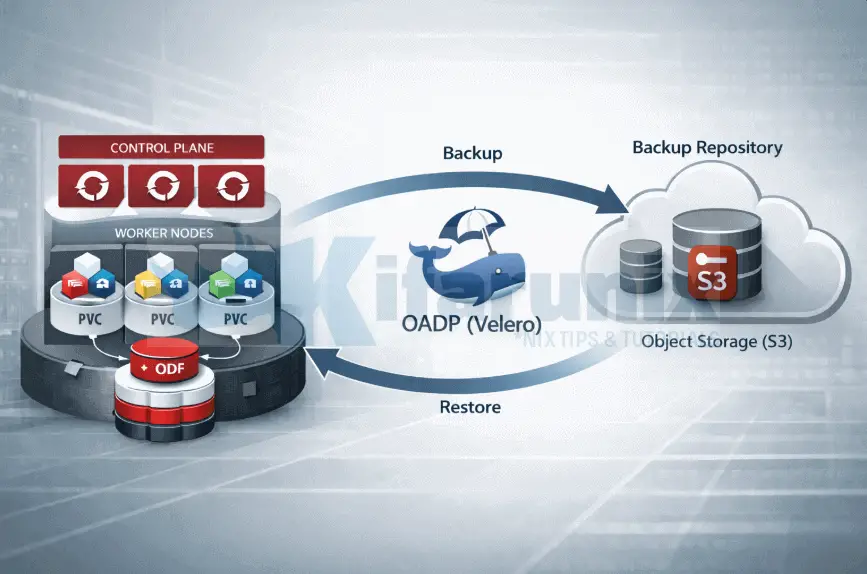
In this guide, we will cover how to backup applications and persistent volumes in OpenShift with OADP. This is Part 2 of a three-part series
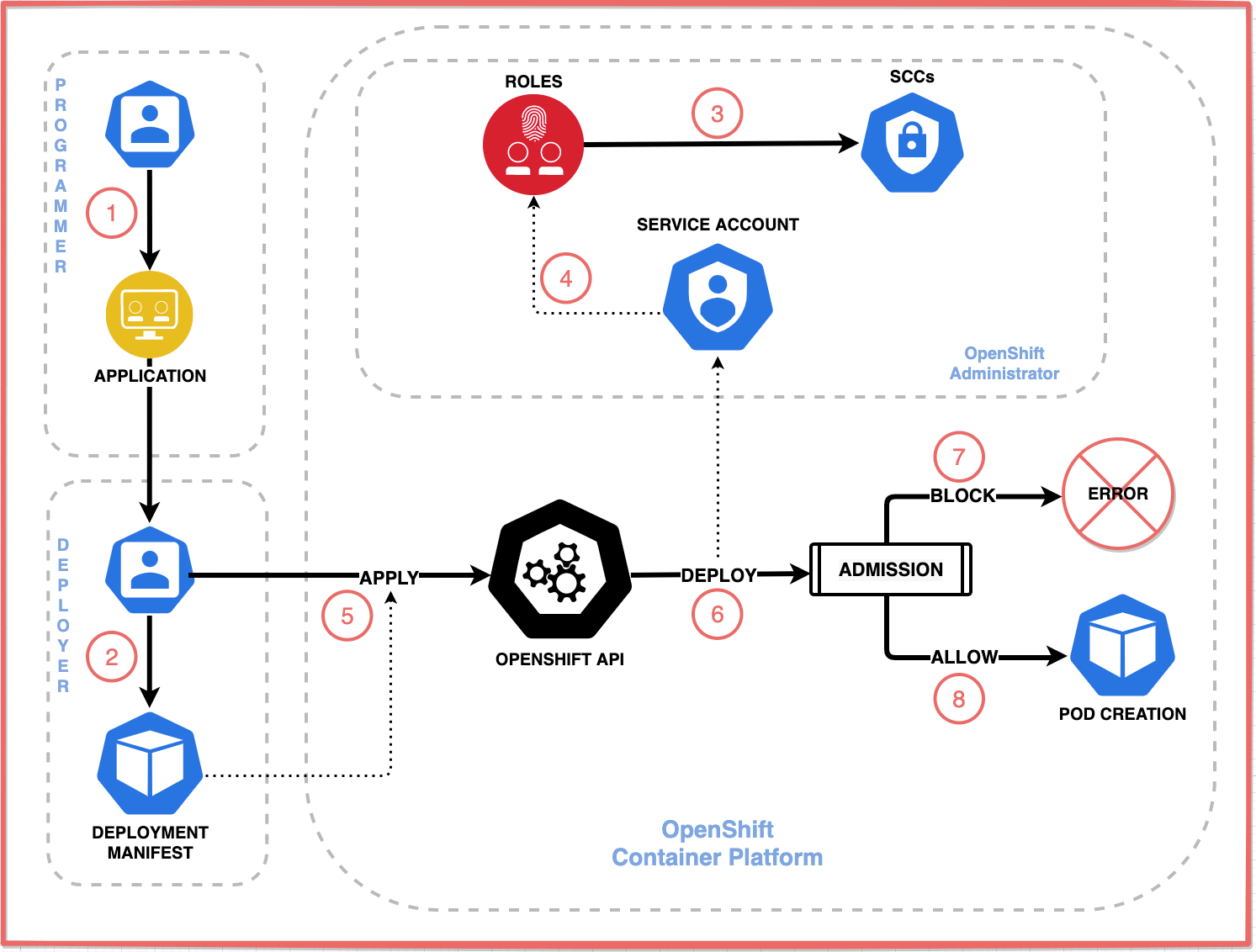
In this blog post, we will discuss how you can control OpenShift pod permissions with SCCs and service accounts. Have you ever deployed an app
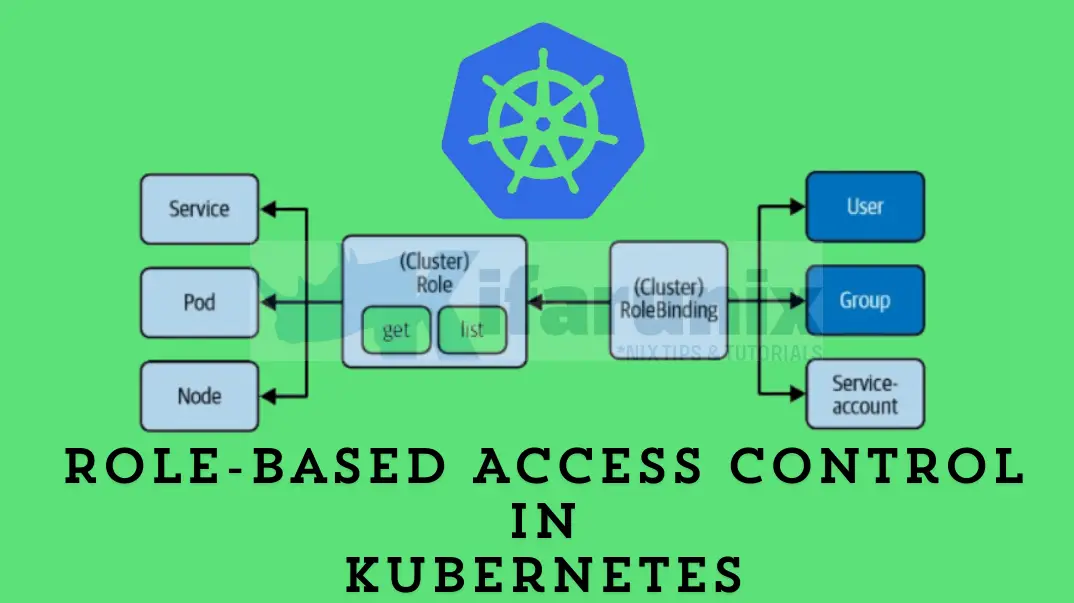
This blog post serves as an introduction to Role-Based Access Control (RBAC) in Kubernetes. It is no doubt that currently, Kubernetes is the de facto
In this tutorial, you will learn how to integrate MinIO S3 storage with Kubernetes/OpenShift. MinIO is a high-performance, S3-compatible object storage solution ideal for cloud-native
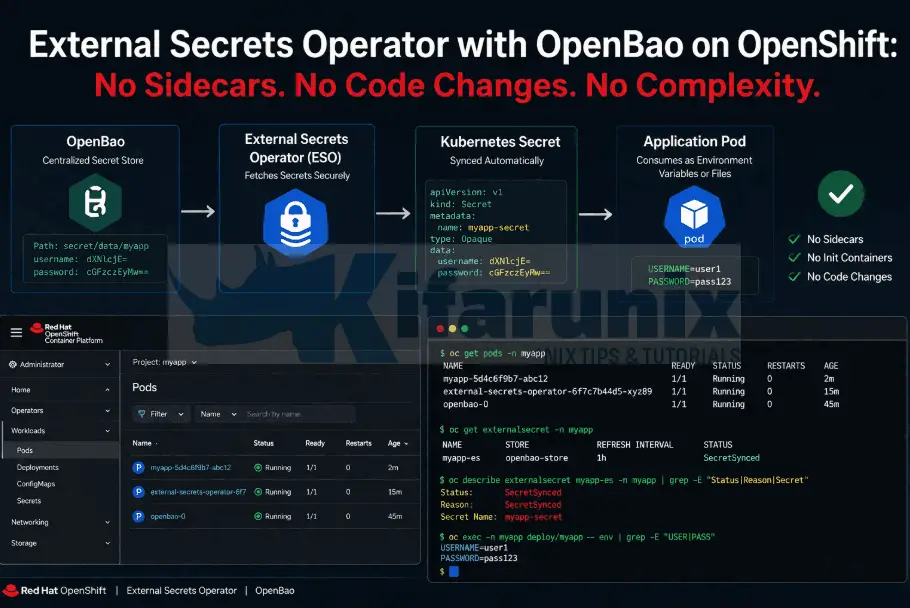
A container with no shell is doing the right thing. A secrets pipeline that cannot deliver credentials to that container is doing nothing at all.
CloudBees CI HA on OpenShift starts with one requirement that can stop the deployment before it even begins: shared storage with ReadWriteMany (RWX) access. OpenShift
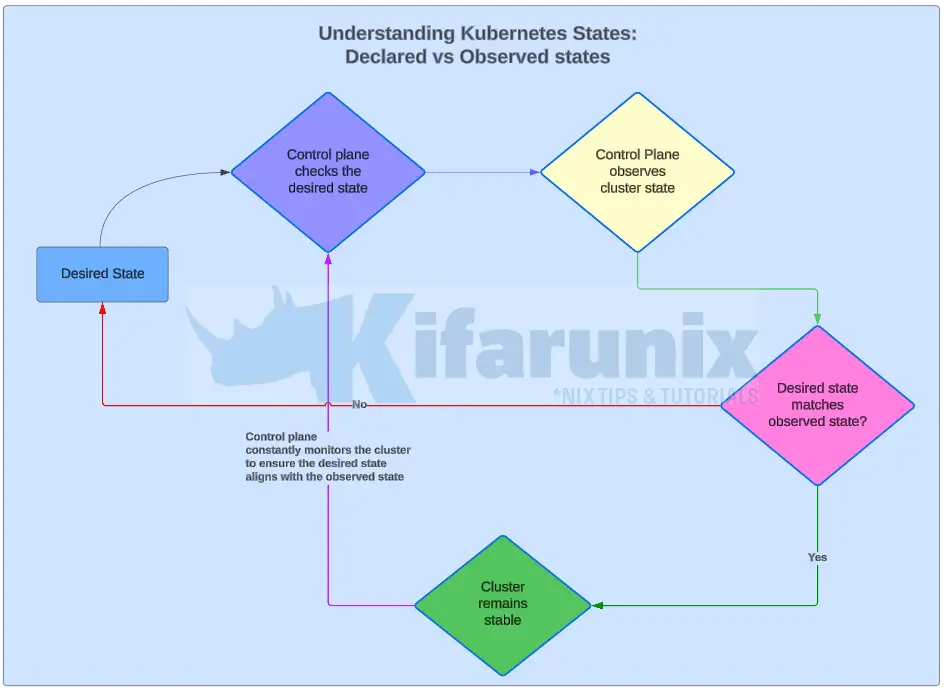
In Kubernetes, effective state management is crucial for maintaining the stability and reliability of your clusters. Kubernetes relies on two key state concepts: Declared State