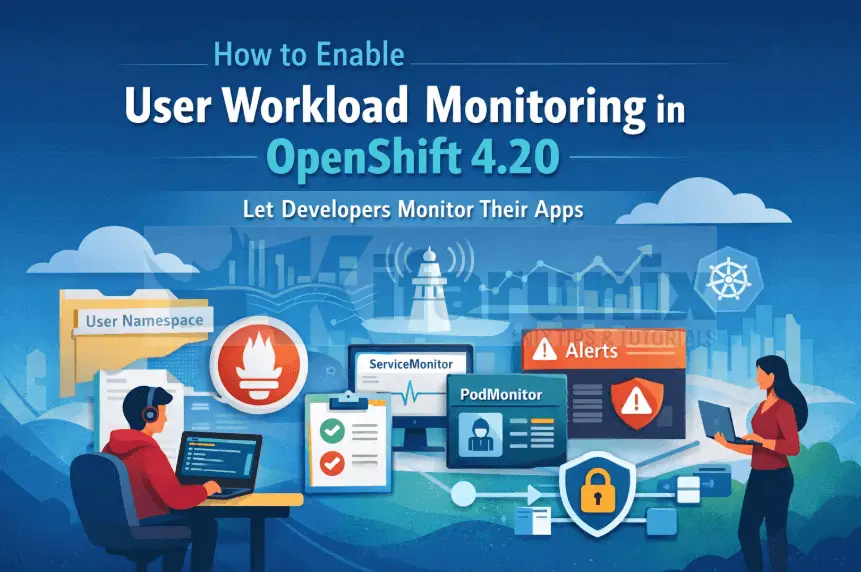
How to Enable User Workload Monitoring in OpenShift 4.20: Let Developers Monitor Their Apps
In this blog post, you will learn how to enable user workload monitoring in OpenShift 4.20 and empower developers to monitor their own applications. User

In this blog post, you will learn how to enable user workload monitoring in OpenShift 4.20 and empower developers to monitor their own applications. User
In this tutorial, we will provide you with a step by step guide on how to install Helm on Kubernetes cluster. We are running a
In this tutorial, you will learn how to install Fedora CoreOS on KVM using an ISO file. Fedora CoreOS is a minimal, container-optimized Linux distribution designed for
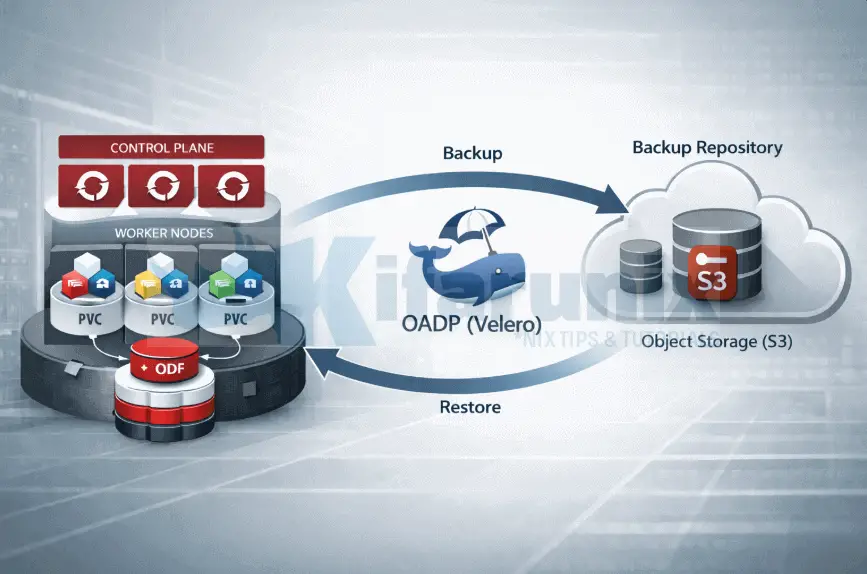
In this blog post, you will learn how to backup and restore applications in OpenShift 4 with OADP (Velero). In our previous guide, we covered
In this guide, you will learn how to restore and validate application backups in OpenShift with OADP. This is Part 3 of a three-part series
What are the core concepts in Kubernetes? Kubernetes, aka K8s, is the current de facto container orchestration platform providing a robust set of tools for
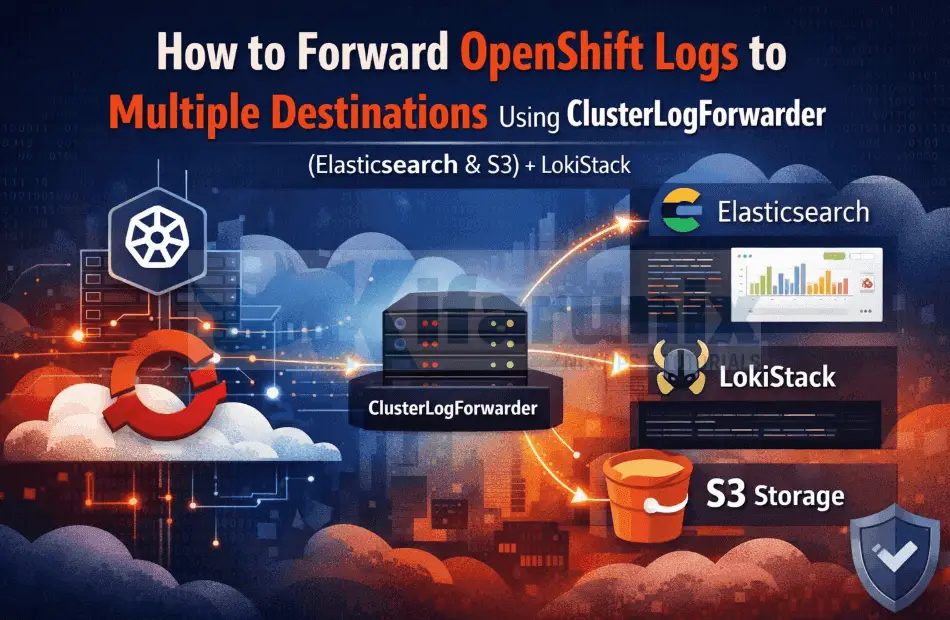
In this blog post, you will learn how to forward OpenShift logs to multiple destinations using ClusterLogForwarder, specifically to Elasticsearch for operational visibility and S3
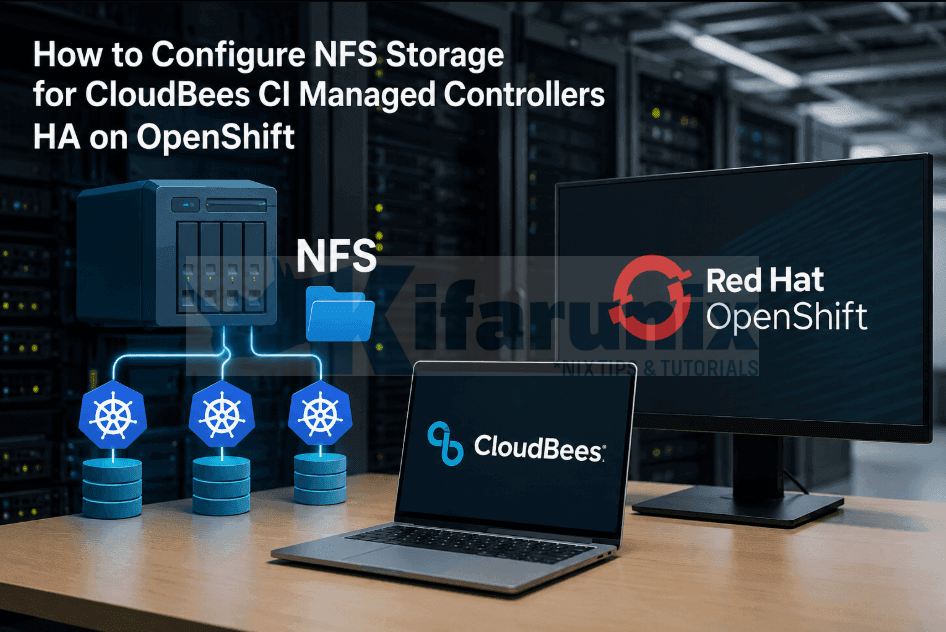
CloudBees CI HA on OpenShift starts with one requirement that can stop the deployment before it even begins: shared storage with ReadWriteMany (RWX) access. OpenShift
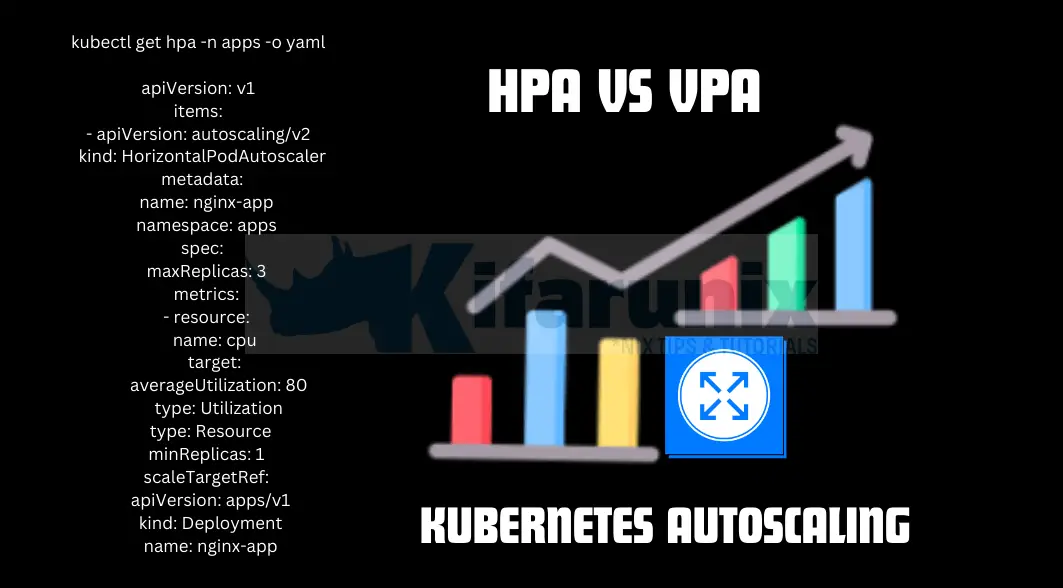
This tutorial serves as a guide to mastering Kubernetes Autoscaling. We’ll explore the two main techniques of Kubernetes scaling: horizontal scaling and vertical scaling. Horizontal
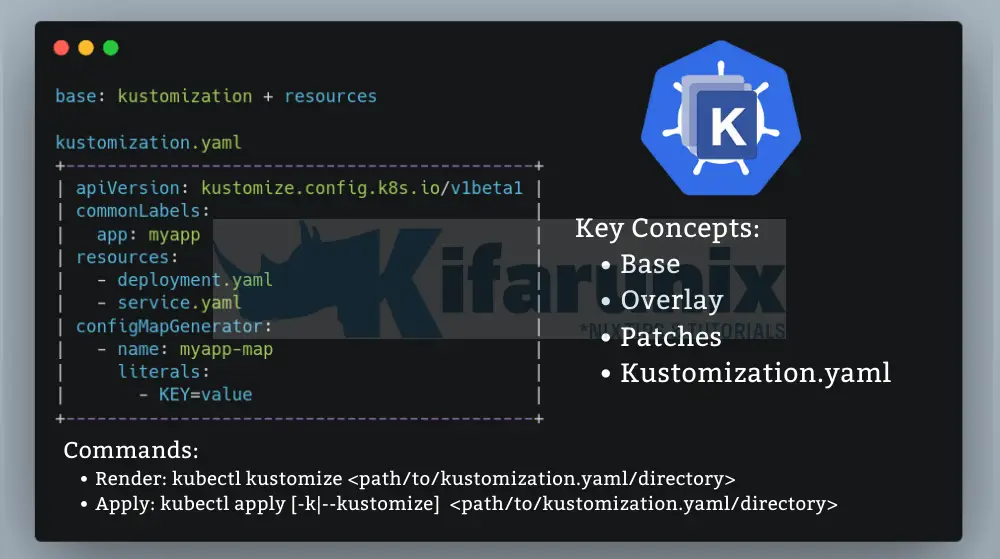
This guide provides a foundational understanding of Kubernetes Kustomize. It will introduce you to Kustomize’s core concepts and the basics. With more organizations increasingly adopting