How to Backup and Restore Applications in OpenShift 4 with OADP (Velero) and ODF
In this blog post, you will learn how to backup and restore applications in OpenShift 4 with OADP (Velero). In our previous guide, we covered
Welcome to our tutorial on how you can utilize Kubernetes Ingress to manage external access to your Kubernetes services. Kubernetes Ingress is a powerful tool
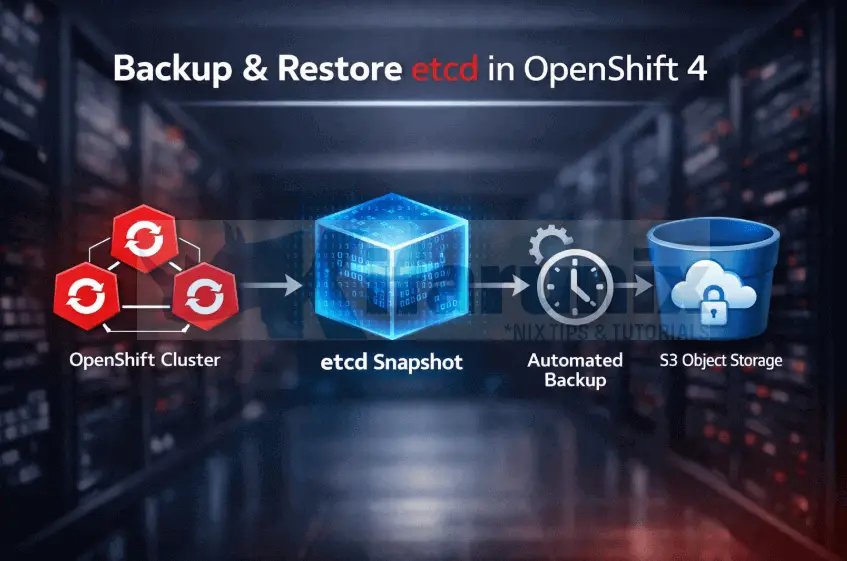
In this blog post, we will walk through how to backup and restore etcd in OpenShift 4, including setting up automated scheduled backups with S3
In this blog post, we will cover how to migrate ODF from worker nodes to dedicated storage nodes on OpenShift 4.x. When deploying ODF on
In this tutorial, you will learn how to install Fedora CoreOS on KVM using an ISO file. Fedora CoreOS is a minimal, container-optimized Linux distribution designed for
In this guide, you will learn how to restore and validate application backups in OpenShift with OADP. This is Part 3 of a three-part series
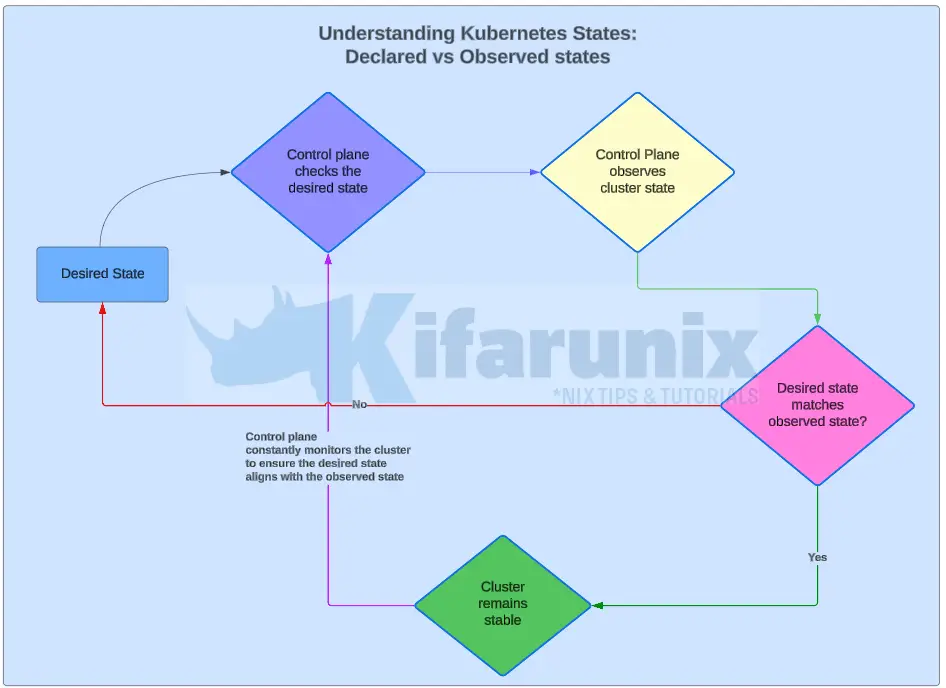
In Kubernetes, effective state management is crucial for maintaining the stability and reliability of your clusters. Kubernetes relies on two key state concepts: Declared State
In this tutorial, you will learn how to deploy Ceph storage cluster in Kubernetes using Rook. Rook is an open-source cloud-native storage orchestrator that provides
In this guide, we will cover how to backup applications and persistent volumes in OpenShift with OADP. This is Part 2 of a three-part series
In this guide, you will learn how to deploy an OpenShift cluster using Agent-based installer. Last month, I spent three days debugging a failed OpenShift