Part 3: How to Restore and Validate Application Backups in OpenShift with OADP
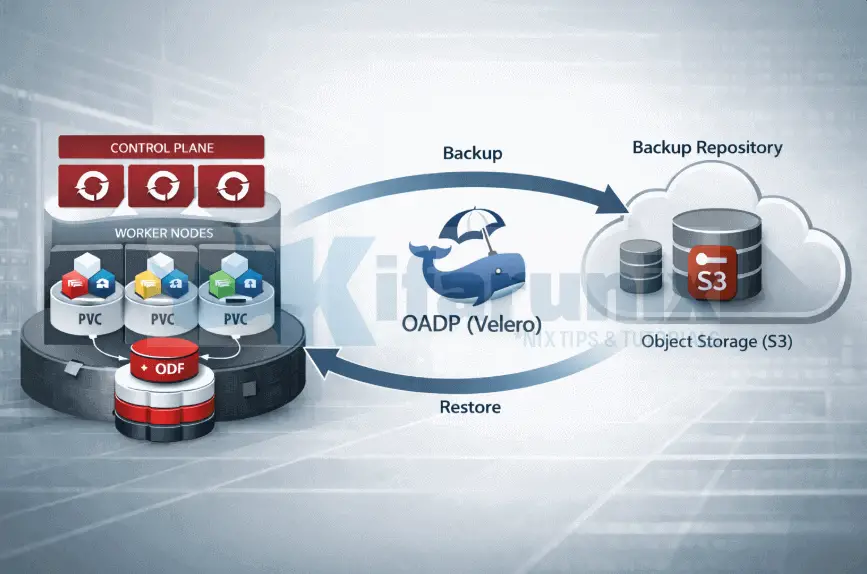
In this guide, you will learn how to restore and validate application backups in OpenShift with OADP. This is Part 3 of a three-part series
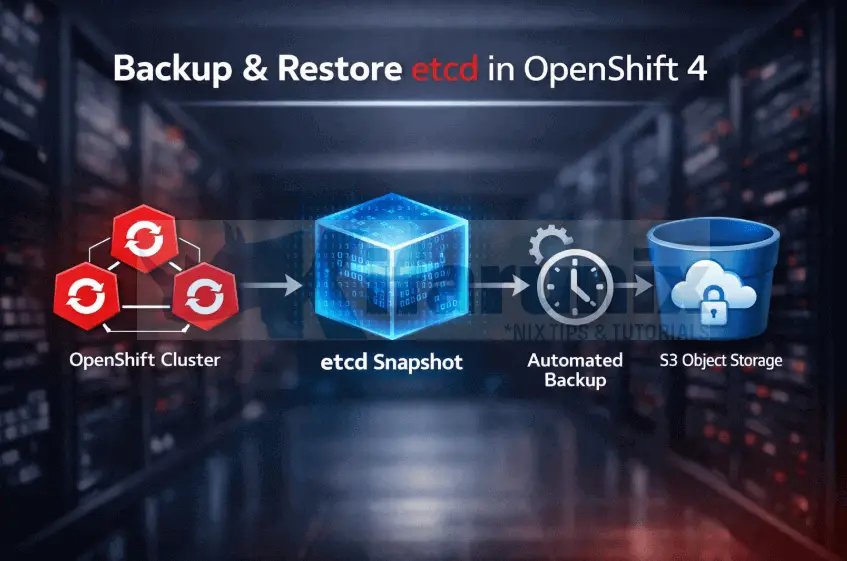
In this blog post, we will walk through how to backup and restore etcd in OpenShift 4, including setting up automated scheduled backups with S3
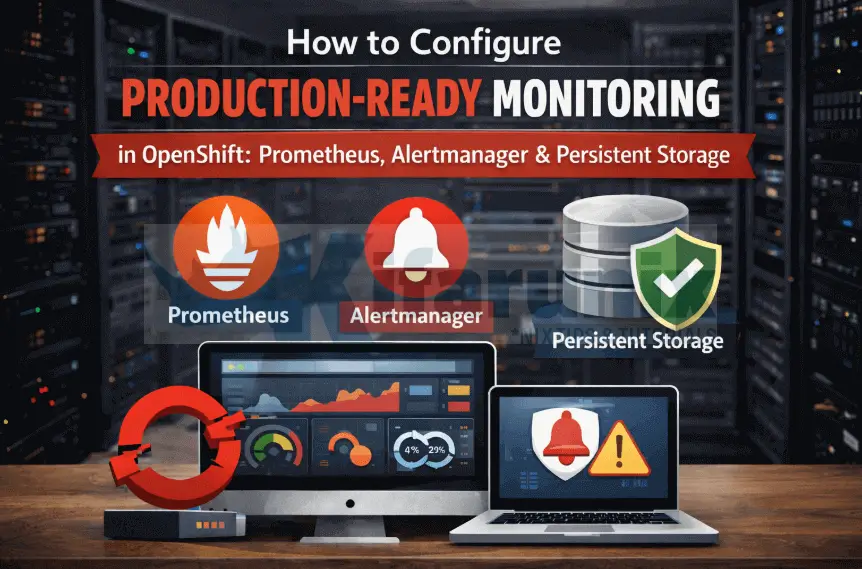
In this guide, I’ll walk you through how to configure production-ready monitoring in OpenShift 4.20. While OpenShift ships with cluster monitoring enabled by default, Prometheus
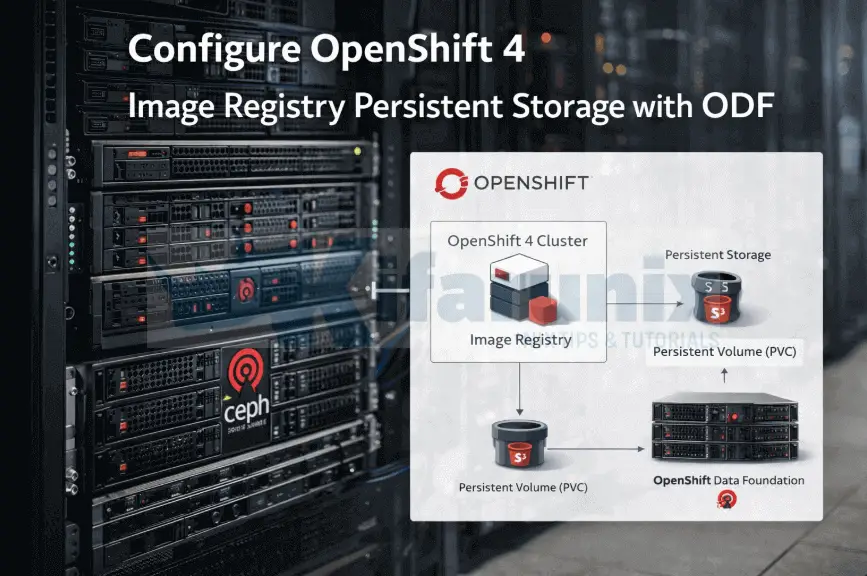
This guide walks you through how to configure OpenShift 4 image registry persistent storage with ODF. After deploying OpenShift 4 on bare metal or KVM-based
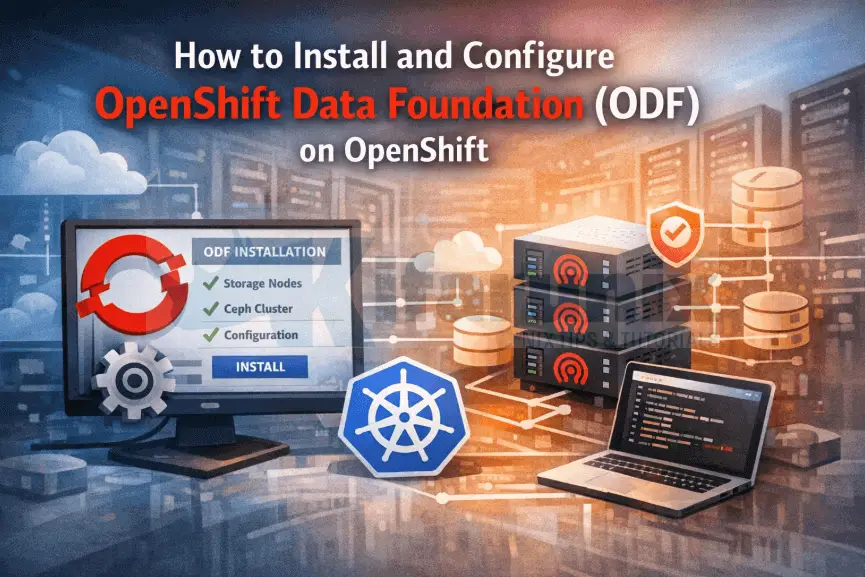
In this guide, I’ll walk you through how to install and configure OpenShift Data Foundation on OpenShift, covering everything from prerequisites to post-deployment validation. When
In this guide, you will learn how to deploy an OpenShift cluster using Agent-based installer. Last month, I spent three days debugging a failed OpenShift
In this tutorial, you will learn how to enable self-service password reset in Request Tracker (RT). By default, RT doesn’t ship with a built-in password
In this guide, you will learn how to enable HTTPS for Request Tracker on Linux. If you have already installed RT, it may currently be
In this tutorial, you will learn how to install Request Tracker on AlmaLinux/Rocky Linux, step by step. Request Tracker (RT) is a powerful, open-source ticketing
In this tutorial, you will learn how to install Wazuh SIEM server on RHEL 9/RHEL 10. The Wazuh platform offers XDR and SIEM functionalities aimed