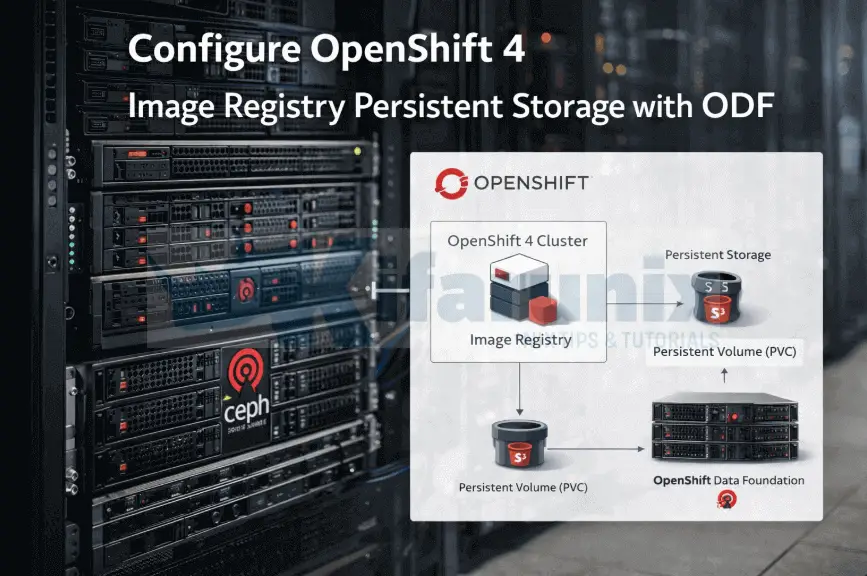
Configure OpenShift 4 Image Registry Persistent Storage with ODF: 2026 Step-by-Step Guide
This guide walks you through how to configure OpenShift 4 image registry persistent storage with ODF. After deploying OpenShift 4 on bare metal or KVM-based

This guide walks you through how to configure OpenShift 4 image registry persistent storage with ODF. After deploying OpenShift 4 on bare metal or KVM-based
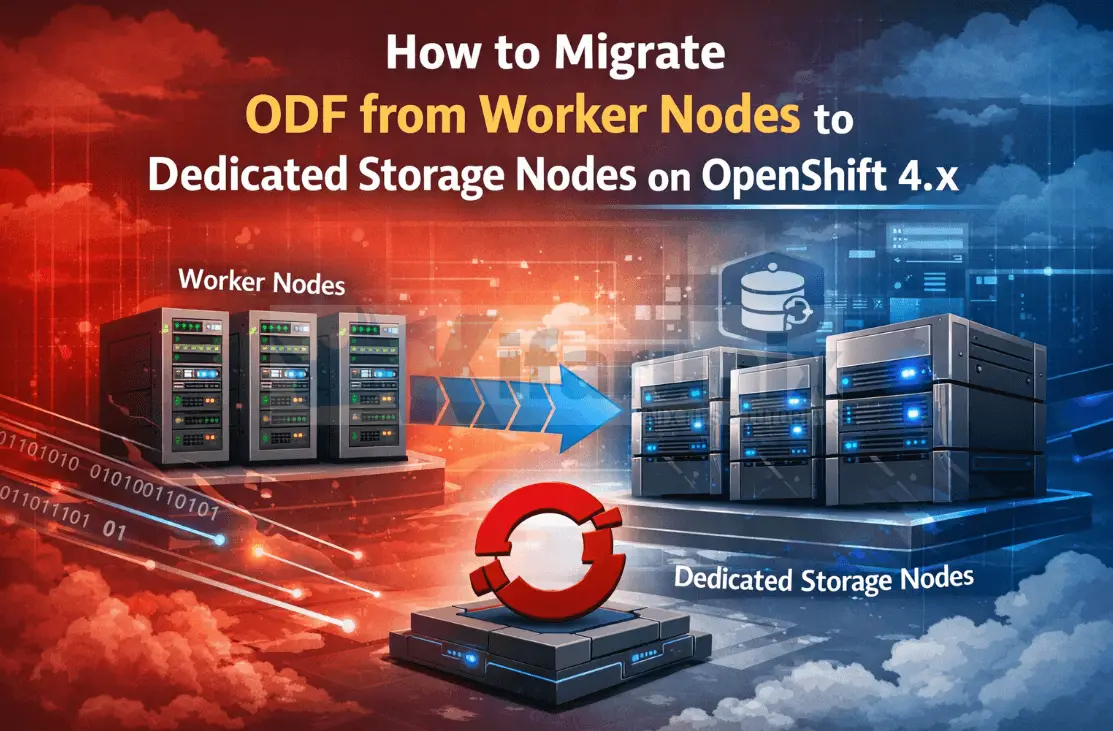
In this blog post, we will cover how to migrate ODF from worker nodes to dedicated storage nodes on OpenShift 4.x. When deploying ODF on
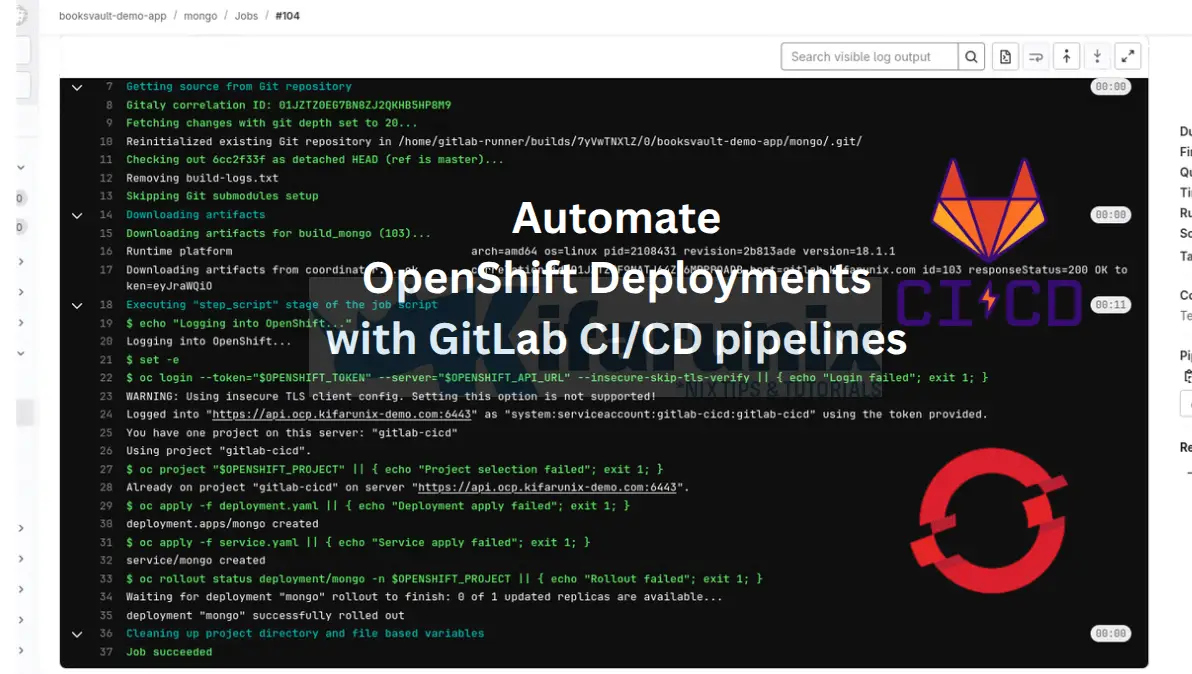
This tutorial will cover how to automate OpenShift Deployments with GitLab CI/CD pipelines. By integrating these tools, you’ll be able to streamline your deployment process,
In this blog post, you’ll learn how to deploy multinode OpenShift cluster using UPI (User Provisioned Infrastructure). UPI is one of the deployment methods provided
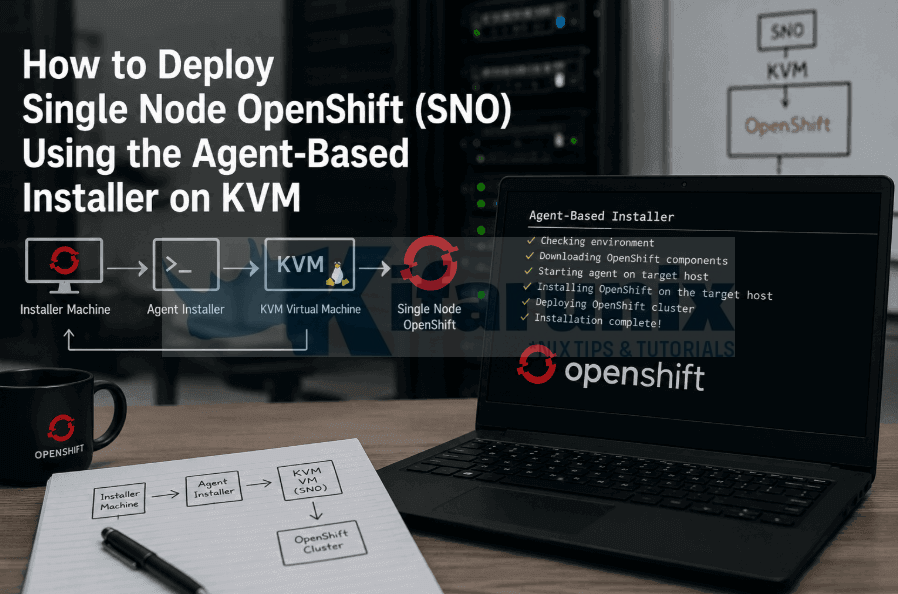
Deploying Single Node OpenShift (SNO) using the Agent-Based Installer on KVM provides a fast, repeatable way to create a fully functional OpenShift cluster without dedicated
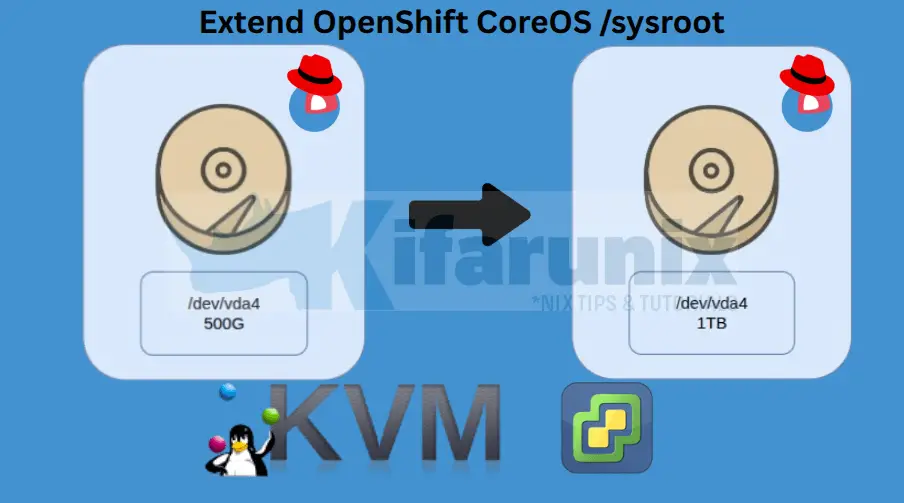
In this tutorial, you will learn on how to extend OpenShift CoreOS /sysroot root filesystem. Extending the OpenShift CoreOS /sysroot filesystem is a critical task
In this blog post, I will walk you through how to implement multi-tenancy on OpenShift using project templates, ResourceQuotas, and LimitRanges. Out of the box,
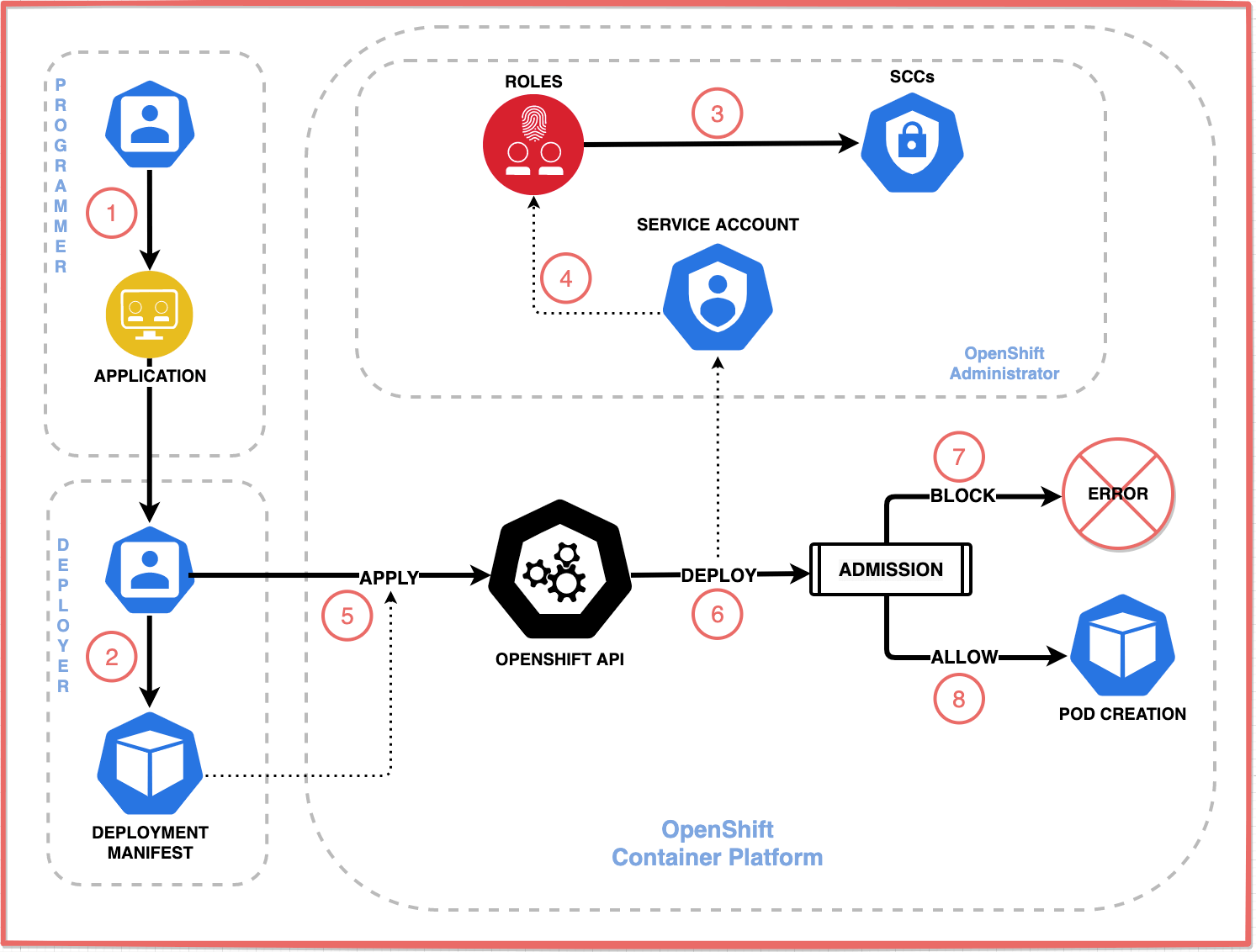
In this blog post, we will discuss how you can control OpenShift pod permissions with SCCs and service accounts. Have you ever deployed an app
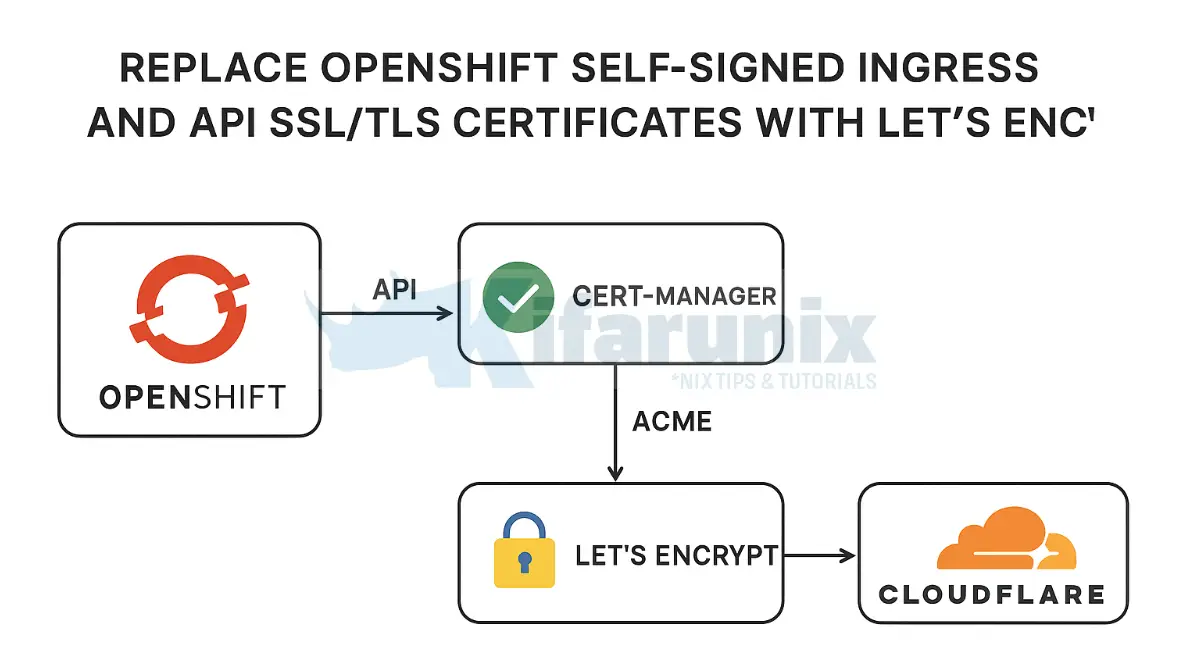
In this tutorial, you will learn how to replace OpenShift self-signed Ingress and API SSL/TLS certificates with Lets Encrypt. When you install a new Red
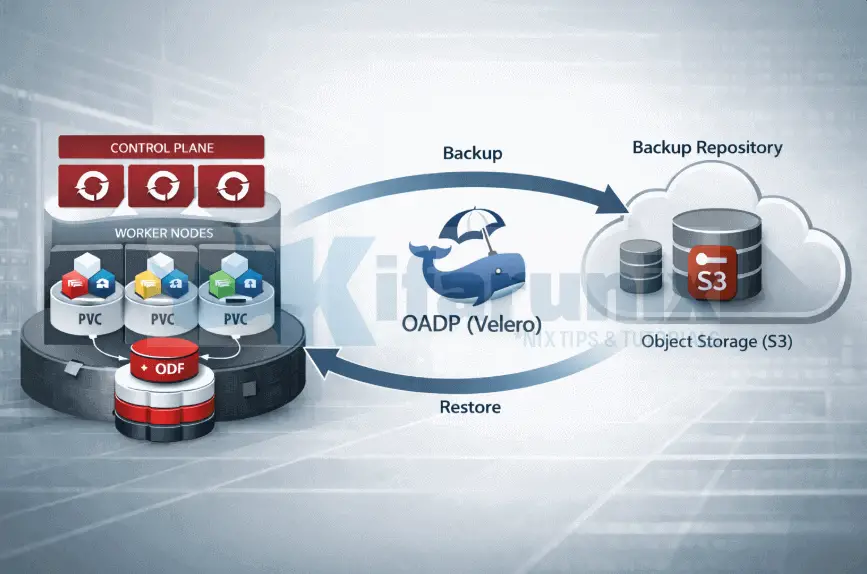
In this guide, you will learn how to restore and validate application backups in OpenShift with OADP. This is Part 3 of a three-part series