How to Backup and Restore Applications in OpenShift 4 with OADP (Velero) and ODF
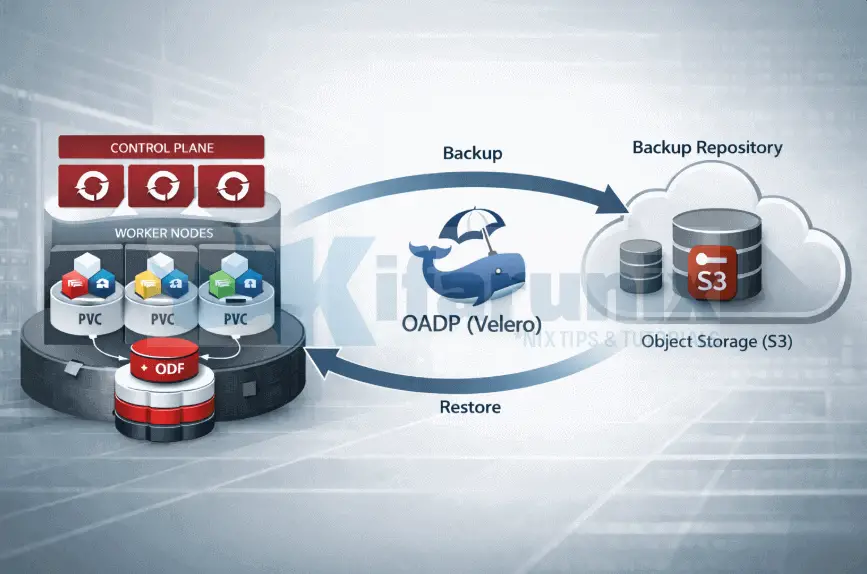
In this blog post, you will learn how to backup and restore applications in OpenShift 4 with OADP (Velero). In our previous guide, we covered
A container with no shell is doing the right thing. A secrets pipeline that cannot deliver credentials to that container is doing nothing at all.
This tutorial will cover how to automate OpenShift Deployments with GitLab CI/CD pipelines. By integrating these tools, you’ll be able to streamline your deployment process,
In this blog post, we cover how to install and configure OADP Operator on OpenShift 4 including preparing object storage, configuring credentials, setting up ODF
In this blog post, we will cover how to configure centralized logging in OpenShift with LokiStack and ODF. If you manage an OpenShift cluster at
In this guide, you will learn how to restore and validate application backups in OpenShift with OADP. This is Part 3 of a three-part series
Running a secrets manager that requires manual intervention every time a pod restarts is not a secrets manager, it is a liability. Every node drain,
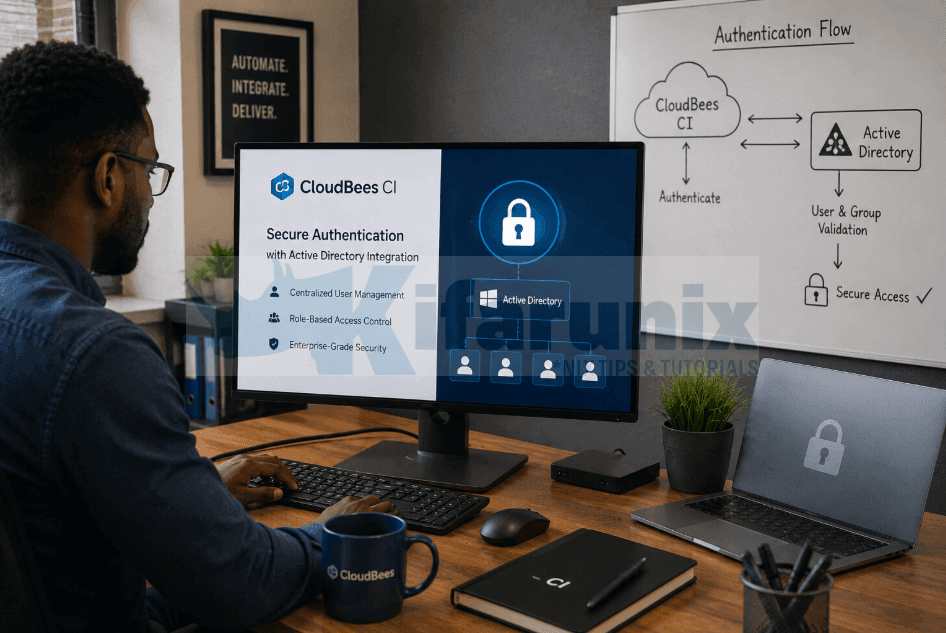
In this tutorial, you will learn how to integrate OpenShift with Active Directory for authentication. This setup enables users to log in to OpenShift using
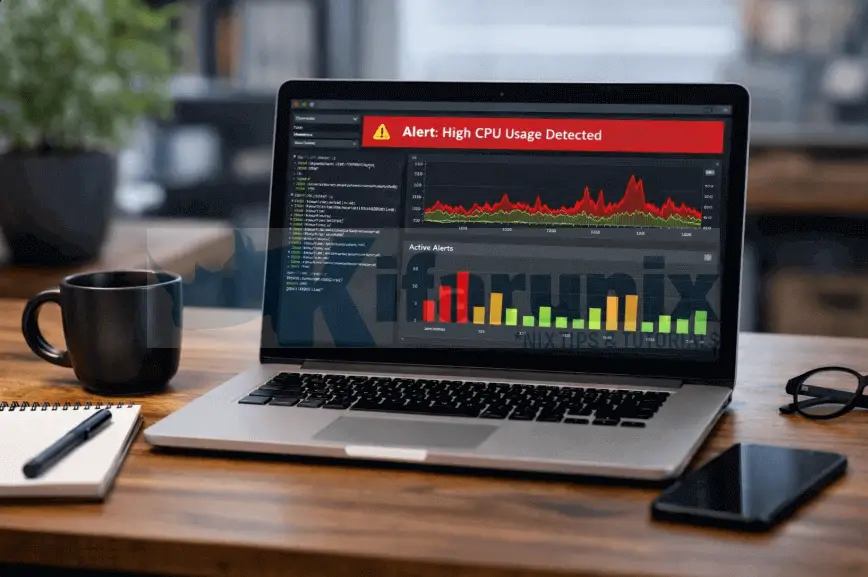
In this blog post, we will run through how to set up alerting in OpenShift 4. After configuring monitoring and persistent storage in our previous
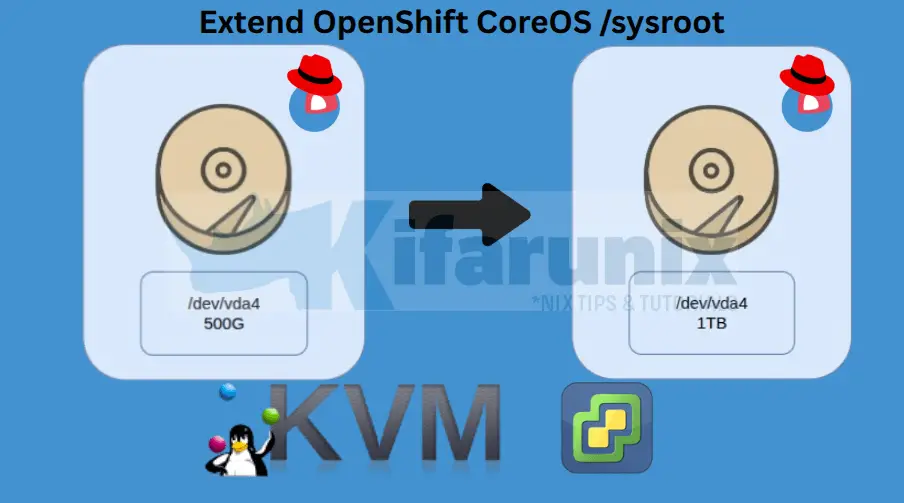
In this tutorial, you will learn on how to extend OpenShift CoreOS /sysroot root filesystem. Extending the OpenShift CoreOS /sysroot filesystem is a critical task