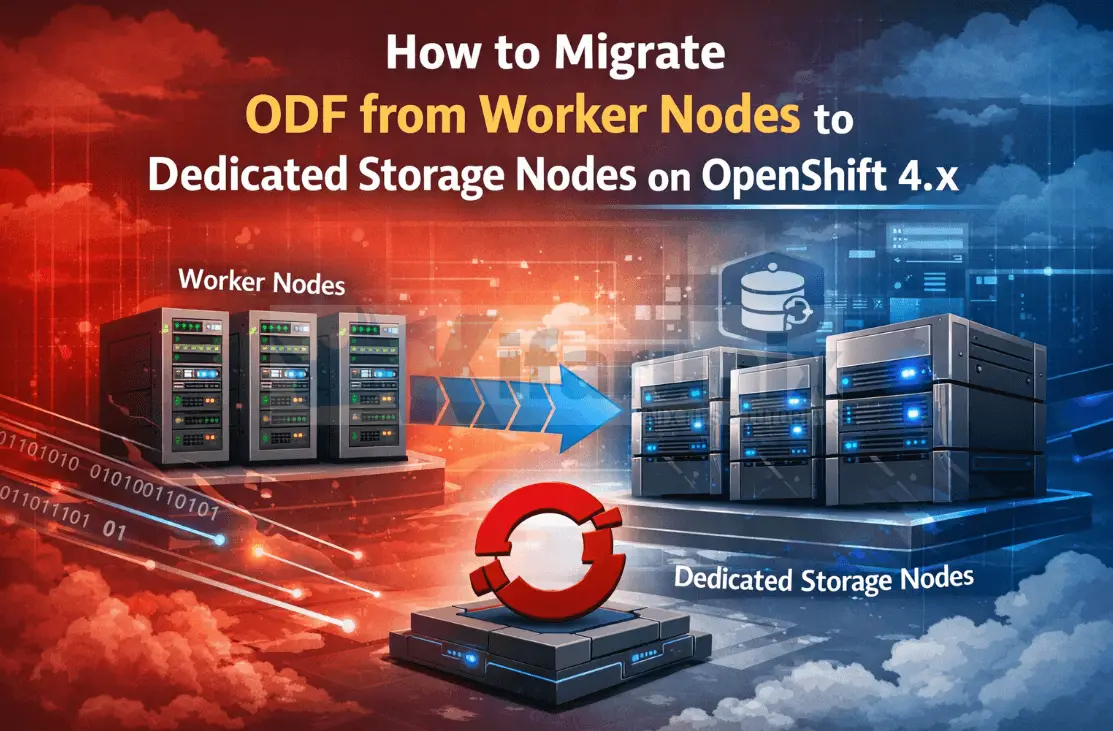
How to Migrate ODF from Worker Nodes to Dedicated Storage Nodes on OpenShift 4.x
In this blog post, we will cover how to migrate ODF from worker nodes to dedicated storage nodes on OpenShift 4.x. When deploying ODF on

In this blog post, we will cover how to migrate ODF from worker nodes to dedicated storage nodes on OpenShift 4.x. When deploying ODF on
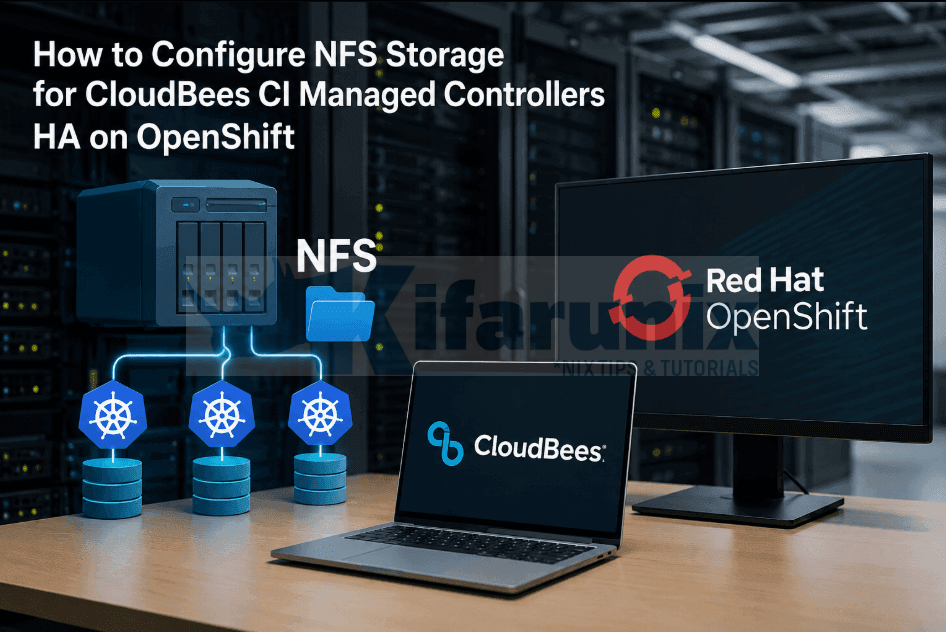
CloudBees CI HA on OpenShift starts with one requirement that can stop the deployment before it even begins: shared storage with ReadWriteMany (RWX) access. OpenShift
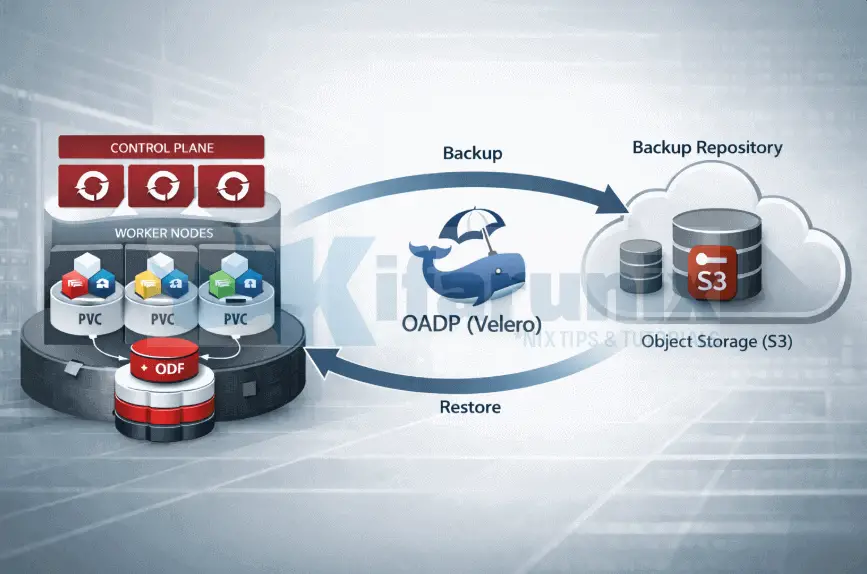
In this guide, we will cover how to backup applications and persistent volumes in OpenShift with OADP. This is Part 2 of a three-part series
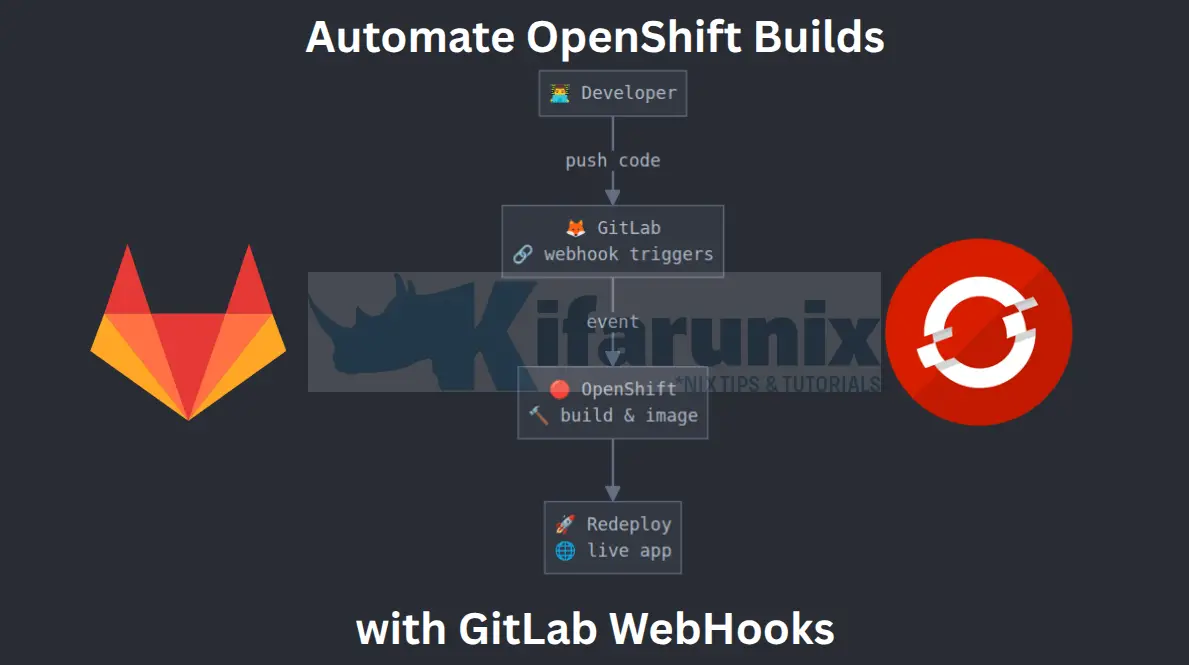
In this guide, you will learn how to automate OpenShift Builds with Git webhooks. Automating builds in OpenShift with Git webhooks streamlines your CI/CD pipelines,

Static secrets in GitLab CI/CD pipelines are one of the most persistent security risks on OpenShift. A service account token stored as a masked variable,
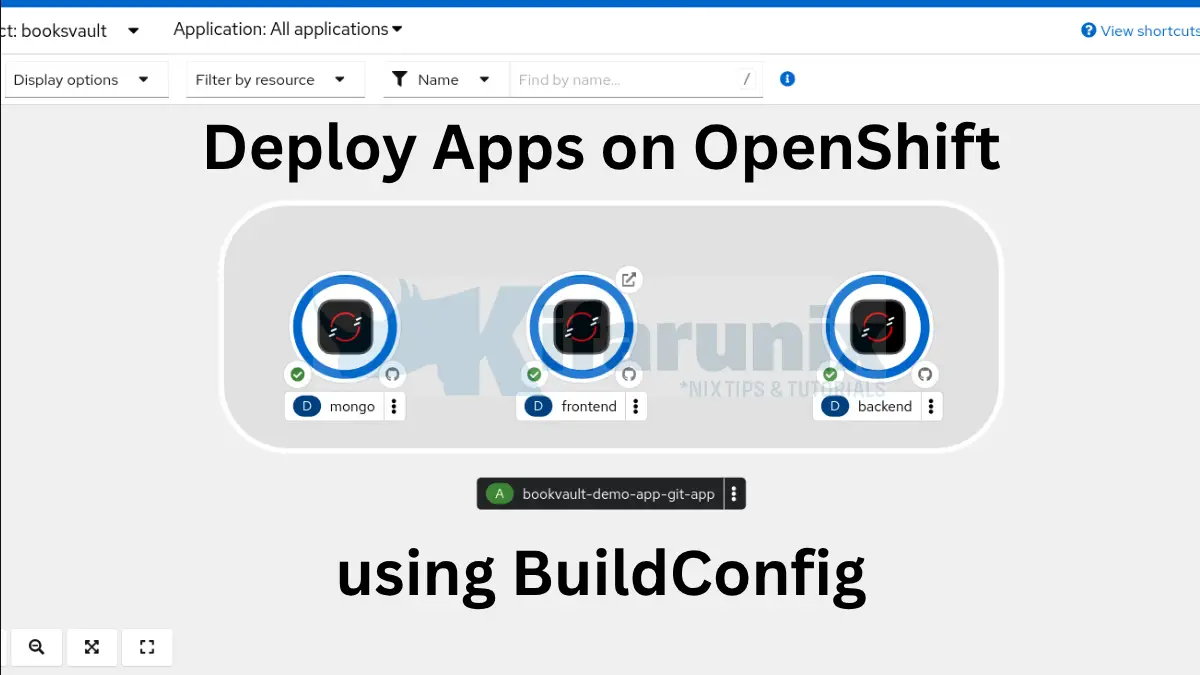
In this tutorial, I will walk you through how to deploy apps on OpenShift using BuildConfig. OpenShift has become the go-to platform for enterprise-grade Kubernetes
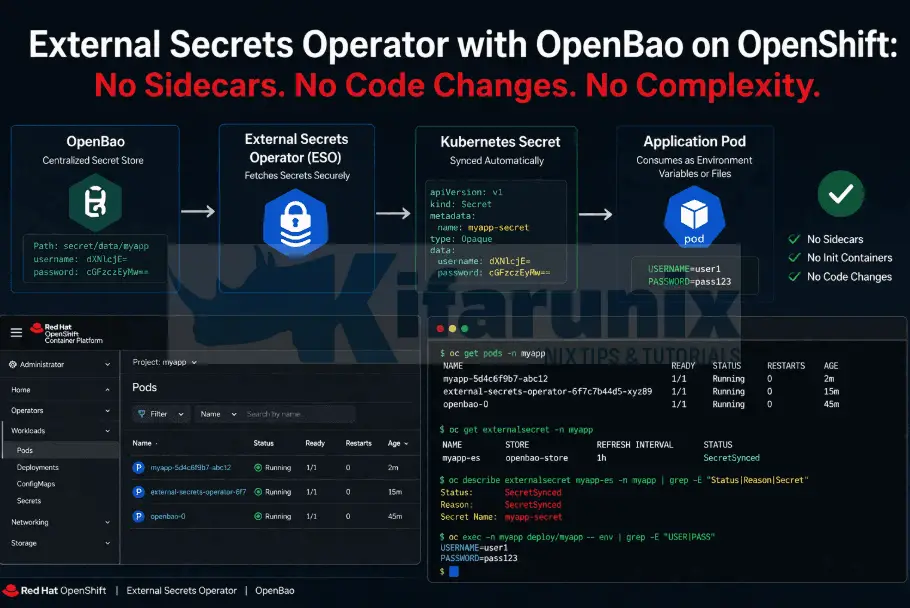
A container with no shell is doing the right thing. A secrets pipeline that cannot deliver credentials to that container is doing nothing at all.
In this blog post, we cover how to install and configure OADP Operator on OpenShift 4 including preparing object storage, configuring credentials, setting up ODF