Step-by-Step Guide on Deploying an Application on Kubernetes Cluster
In this tutorial, we will provide you with a step-by-step guide on deploying an application on Kubernetes cluster. Kubernetes is the de facto container orchestration

In this tutorial, we will provide you with a step-by-step guide on deploying an application on Kubernetes cluster. Kubernetes is the de facto container orchestration
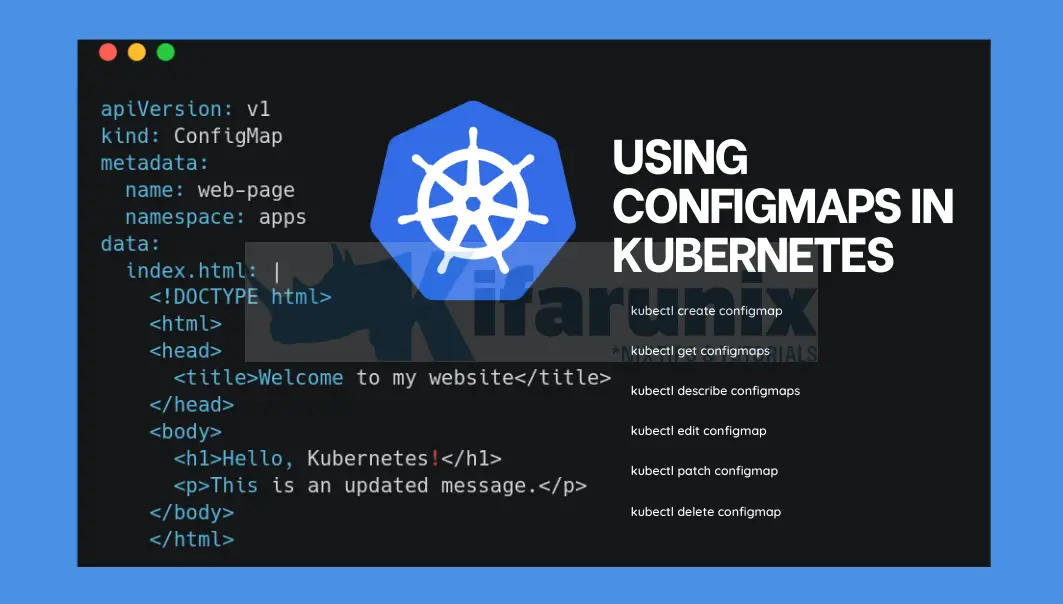
This tutorial provides a step-by-step guide to using ConfigMaps in Kubernetes. ConfigMaps in Kubernetes are a powerful tool for managing configuration data separately from application
In this tutorial, you will learn how to deploy Ceph storage cluster in Kubernetes using Rook. Rook is an open-source cloud-native storage orchestrator that provides
In this blog post, you will learn how to use Secrets in Kubernetes applications. In Kubernetes, managing configuration data and sensitive information securely is crucial
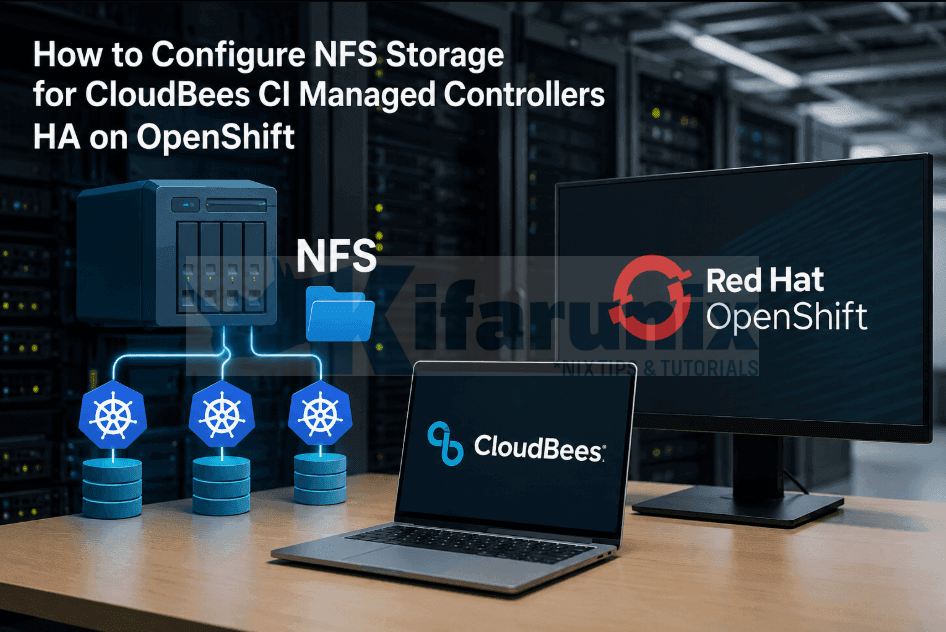
CloudBees CI HA on OpenShift starts with one requirement that can stop the deployment before it even begins: shared storage with ReadWriteMany (RWX) access. OpenShift
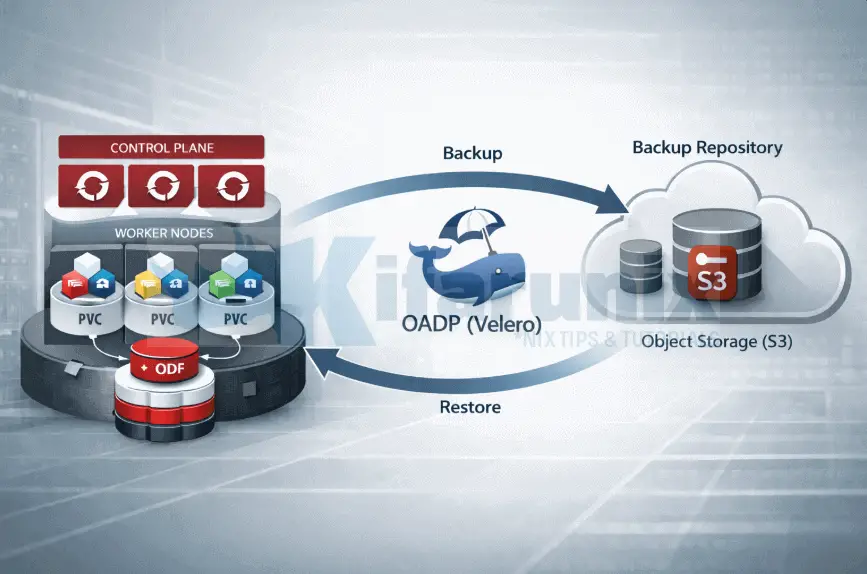
In this blog post, we cover how to install and configure OADP Operator on OpenShift 4 including preparing object storage, configuring credentials, setting up ODF
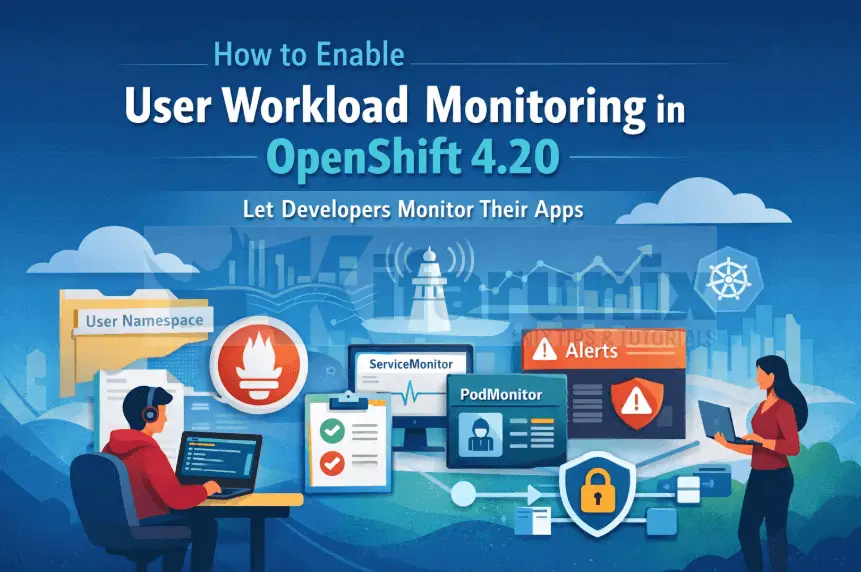
In this blog post, you will learn how to enable user workload monitoring in OpenShift 4.20 and empower developers to monitor their own applications. User
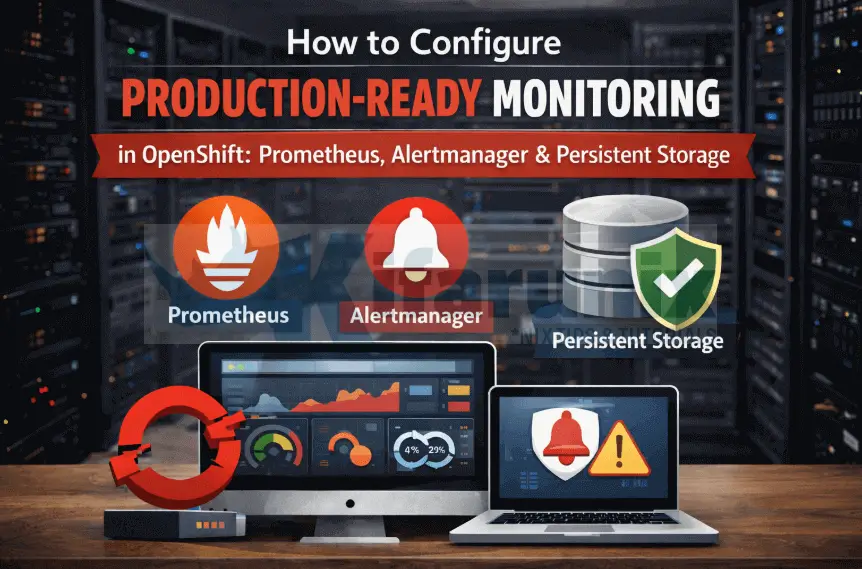
In this guide, I’ll walk you through how to configure production-ready monitoring in OpenShift 4.20. While OpenShift ships with cluster monitoring enabled by default, Prometheus
In this blog post, I will walk you through how to implement multi-tenancy on OpenShift using project templates, ResourceQuotas, and LimitRanges. Out of the box,
Installing and setting up a Kubernetes cluster on RHEL 9 is essential for modern IT environments seeking efficient container orchestration. Whether you’re a DevOps professional