Skip to content
kifarunix.com
  • Home
  • Blog
    • HowTos
    • Containers
    • Security
    • Networking
    • Storage
    • Virtualization
    • Monitoring
  • About Us
  • Contact Us

how SCCs work

Understanding OpenShift Security Context Constraints

Understanding OpenShift Security Context Constraints: The Complete Guide

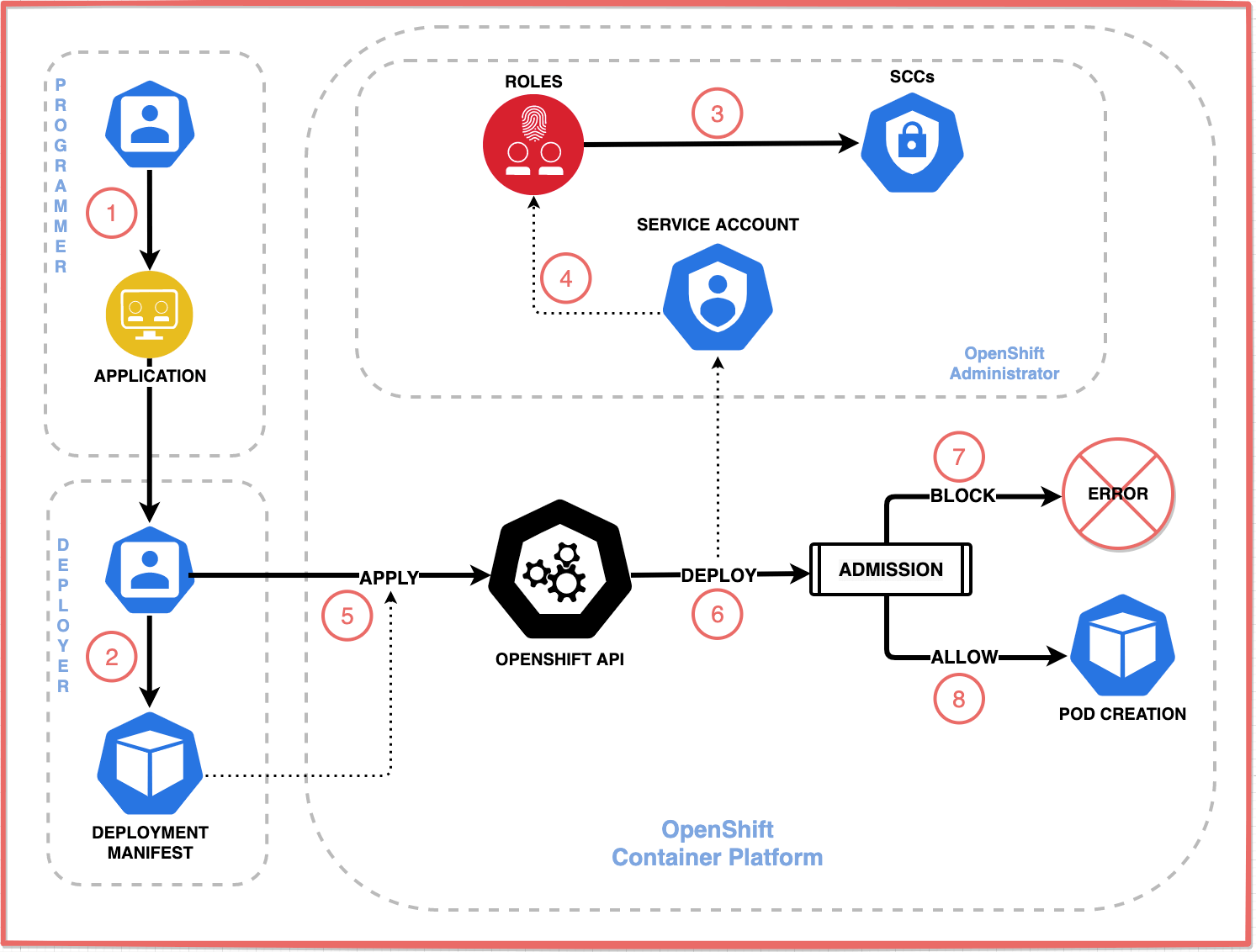
In this guide, we will explain OpenShift Security Context Constraints (SCCs) in simple terms. SCCs are essential components of OpenShift that help keep cluster containers

Latest Posts

Integrate Request Tracker (RT) with Active Directory for Authentication

How to Enable Self-Service Password Reset in Request Tracker (RT)

Configure Request Tracker to Send Mails using MSMTP via Gmail Relay

How to Enable HTTPS for Request Tracker on Linux

Install Request Tracker on AlmaLinux/Rocky Linux

Replace OpenShift Self-Signed Ingress and API SSL/TLS Certificates with Lets Encrypt

Containers

Kubernetes User Management: Creating Users, Groups and Service Accounts

Monitor Docker Swarm Node Metrics using Grafana

OpenShift Builds and BuildConfig Essentials: A Comprehensive Guide

Gracefully Remove Worker Node from Kubernetes Cluster

Quickly Install MySQL 8 on Debian 12

What are the core concepts in Kubernetes?

Security

Cyber Security: 6 Reasons Why It Is Crucial for Your Business

Install and Setup Suricata on Ubuntu 18.04

Install sysPass Password Manager on Rocky Linux

Why Creating a Secure Password is Crucial

Enroll Windows Systems into Osquery Fleet Manager

Connect to OpenVPN using Network Manager on CentOS 8/Ubuntu 18.04

Monitoring

Setup Multinode Elasticsearch 8.x Cluster

Easy Way to Install Wazuh Agents on Ubuntu/Debian

Install Nagios Plugins on CentOS 8

Install Monitorix on Ubuntu 20.04

Restore Elasticsearch Snapshot to another Cluster

How to Monitor Disk Input/Output on Linux

© 2026 kifarunix.com

Home Advertise with us Privacy Policy